

Description
A Tourniquet is a medical device used to control severe, life-threatening bleeding by applying localized pressure to a limb to restrict or completely stop blood flow (occlude circulation).
Types of Tourniquets
Tourniquets are categorized primarily by their context of use:
🩸 Emergency/Trauma Tourniquets (e.g., CAT, SOF-T):
Purpose: Rapid, life-saving control of catastrophic bleeding in pre-hospital, combat, or mass casualty situations.
Design: Commercial-grade, mechanical devices (like the windlass type) designed for quick, effective single-person application.
🏥 Surgical/Pneumatic Tourniquets:
Purpose: Used in a controlled operating room environment (e.g., orthopedic or plastic surgery) to create a bloodless surgical field, improving visibility and reducing blood loss.
Design: An inflatable cuff connected to a pneumatic machine that allows the surgical team to precisely set and monitor the pressure.
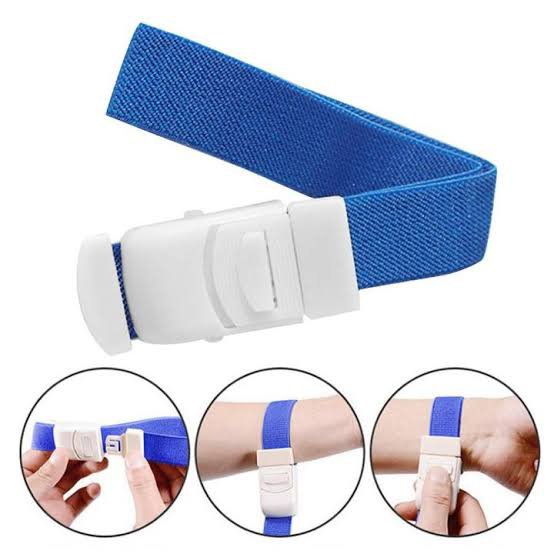
💉 Clinical/Venipuncture Tourniquets:
Purpose: A simple, elastic band used by nurses or phlebotomists when drawing blood or inserting an IV line.
Design: A thin, stretchy band used to pool venous blood to make veins more visible. This type only restricts venous return and is not capable of stopping arterial bleeding.






Reviews
There are no reviews yet.